A beginner’s honest guide to making real money on Medium through affiliate marketing, digital products, and consulting sessions
A Quick Note Before We Start
I am not a guru. I do not have a yacht. I have never been on a podcast called “7 Figures Before Breakfast.” What I do have is a Medium account, a lot of patience, a folder full of drafts I almost deleted, and a bank statement that now says things I did not expect to see when I started writing on the internet.
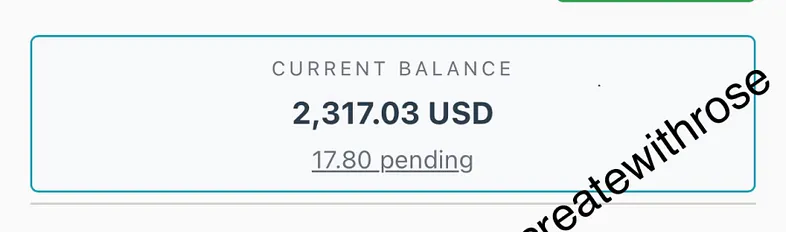
$22,000. That is what Medium and the things I built around it have paid me.
$11,885 came from affiliate marketing. $10,127 came from a digital product I created.
This post is for you if you have thought about writing online but do not know where to start.
- It is for you if you have a Medium account sitting empty like a journal you bought but never opened.
- It is for you if the words “passive income” make you roll your eyes a little but you are still reading because deep down you want to know if it is actually real.
It is real. Let me show you how.
Part 1: What Is Medium and Why Should You Care
Medium in Plain English
Medium is a website where people write things. That is the simplest way to put it.
But it is more than a blog. It is more than a social media platform. Medium sits somewhere in between. It looks clean and professional. It does not have ads cluttering every corner. It does not ask you to post three times a day or dance in a video to get seen.
You write. People read. If they like what you write, they follow you. If enough people read, Medium pays you.
The platform has been around since 2012. It was started by one of the co-founders of Twitter, a man named Ev Williams. Over the years it has grown into one of the most-read publishing platforms on the internet, with over 100 million readers every month.
One hundred million people. That is the population of a large country, all logging in to read articles.
And the beautiful thing is that anyone can write there. You do not need a journalism degree. You do not need a verified account. You do not need to prove you are an expert. You just need a story, an idea, or something useful to share.
Why Medium Is Different From a Regular Blog
When most people think about blogging, they imagine setting up a website, buying a domain, figuring out hosting, installing plugins, learning SEO, building an audience from scratch, and doing all of that for months before a single person finds you.
That is the traditional blogging path and it works. But it is slow and it requires technical knowledge that many beginners do not have.
Medium removes almost all of that friction.
You sign up. You write. You publish. Medium already has an audience waiting. Their algorithm puts your story in front of readers who like the topics you cover. You do not have to build your audience from zero. You tap into one that already exists.
This is a huge advantage for beginners.
Think of it this way. If you open a small restaurant on a quiet street with no foot traffic, you have to work incredibly hard to get people to find you. But if you set up a stall inside a busy market where thousands of people already walk past every day, your job becomes much easier. Medium is that busy market.
Does Medium Actually Pay Writers
Yes. Through something called the Medium Partner Program.
Here is how it works in simple terms. Medium charges readers $5 per month for a membership. With that membership, readers get unlimited access to all stories on the platform. Every time a paying Medium member reads your story and spends time on it, you earn a portion of their subscription fee.
The more members read your work, the more you earn. The longer they stay on your article, the better. Medium tracks what is called “reading time” and uses it to calculate your earnings.
But the Partner Program is not where the real money is. The real money comes from what you build around your Medium presence. We will get there.
Part 2: My Story (The Unglamorous Version)
How I Started
I published my first article and it was about side hustles.
It was not a masterpiece. The title was not catchy. The formatting was not great. But it was valuable and it was specific.
That article got very little views and claps.
I published again, then again. I started paying attention to what topics people were searching for. I started learning what made a good headline. I started reading other writers on Medium to understand what made their stories engaging.
In over my first month, my page grew its first 1k followers.
Part 3: Understanding the Money (Breaking Down $22,000)
The Three Buckets
My total earnings split into these buckets
Bucket one: Affiliate Marketing ($11,000) This is recommending products and earning a commission when someone buys through your link. More on this in detail later.
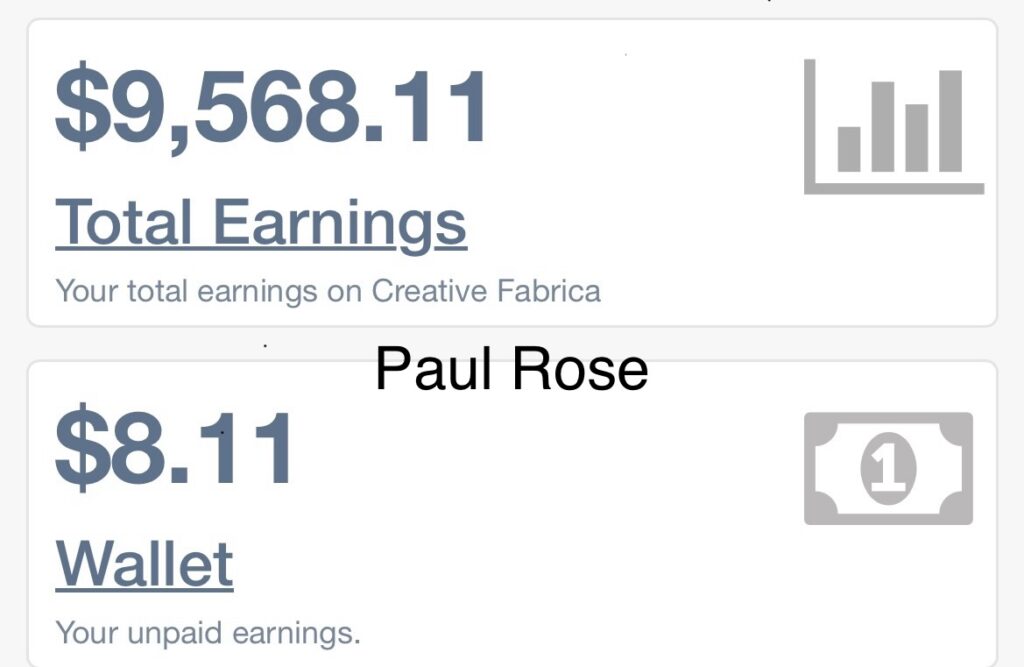
Bucket two: Digital Products ($10,000) This is selling something I made. In my case, a playbook about how to earn on Medium and the ways I made money with Canva.
I ended up launching more digital products along the way.
The important thing to understand is that Medium was a traffic system. It was where I found readers to me. But the money came from what I offered those readers once they arrived.
Medium is like a river that brings fish to you. But the fishing rod is yours. You have to build it yourself.
Part 4: How to Start on Medium (Step by Step for Complete Beginners)
Step 1: make Your Account
Go to medium.com. Click “Get Started.” Sign up with your Google account or email. That is it. You are on Medium.
Spend fifteen minutes setting up your profile. Add a real photo of yourself. Write a short bio that tells people who you are and what you write about. This matters more than people think. When someone reads your article and likes it, the first thing they do is click on your name. If they see a blank profile, they leave. If they see a real person with a clear description, they follow you.
Step 2: Write Your First Article
Do not wait until you feel ready. You will never feel ready. That is not how readiness works.
Write about one specific thing you know. Not everything you know. One thing. A mistake you made. A lesson you learned. A question you had that took you a long time to answer. A problem you solved.
Keep your first article simple. Between 800 and 1,500 words is a good starting length. Write like you are explaining something to a smart friend who does not know anything about the topic.
Use short paragraphs. Two to three sentences maximum. Big blocks of text on a screen are intimidating. White space is your friend.
Use simple words. If you find yourself writing a complicated word, ask yourself if there is a simpler one that means the same thing. Almost always there is.
Step 3: Format Like a Human Being
Medium makes formatting easy. Here are the basics.
Use a clear, specific headline. “How I Saved $3,000 in Six Months on a Teacher’s Salary” beats “Tips for Saving Money” every single time. Specific beats general. Concrete beats vague.
Use subheadings to break up your article. These help readers scan and decide if they want to keep reading. They also help people who are re-reading to find the part they need.
Use bold text sparingly. Bold the one or two things you really want people to remember. If everything is bold, nothing is.
Add a subtitle. Medium lets you add a subtitle under your main title. Use it to give more detail about what your article covers.
Step 4: Apply to the Medium Partner Program
Once you have written a few articles and have a confirmed email address on Medium, you can apply to the Partner Program. You need to set up a Stripe account to receive payments. Stripe is available in many countries. Check the Medium website for the current list.
Once approved, every article you publish can earn money when paying Medium members read it.
Step 5: Submit to Publications
Medium has publications. These are like magazines within Medium. They cover specific topics like personal finance, health, technology, self-improvement, and hundreds of other subjects. Popular publications have hundreds of thousands of followers.
When you submit your article to a publication and they accept it, your article appears in that publication’s feed and reaches all their followers. This is one of the fastest ways to grow on Medium as a beginner.
To find relevant publications, search for topics related to your niche. Look at what publications come up. Check their submission guidelines. Most publications have a link in their description explaining how to submit.
Do not get discouraged if you get rejected. Every writer gets rejected.
Part 5: Writing Articles People Actually Want to Read
The hack Is Specificity
The number one mistake beginner writers make on Medium is being too general.
“How to Save Money” is a general article. Nobody needs to read it because everyone has already read twelve versions of it.
“How I Cut My Grocery Bill by 40% Without Eating Sad Food” is specific. That headline tells you exactly what you will learn and suggests there is a real story behind it.
Specific articles perform better because they attract the right readers. A reader who clicks on a specific article is already interested in exactly what you are offering. They are more likely to read the whole thing, follow you, and eventually become part of your audience.
The Formats That Work Best
After two years of writing on Medium and reading obsessively about what performs well, I have found that certain formats consistently bring in readers.
The personal story with a lesson. “I spent $800 on things I never used. Here is what that taught me about budgeting.” Personal + lesson is a powerful combination. People connect with stories. They stay for the lesson.
The step-by-step guide. “How to Build Your First Budget in 30 Minutes.” People love knowing they will have something practical by the end.
The counterintuitive take. “Saving More Money Actually Made Me Feel Poorer.” Articles that challenge a common assumption pull readers in because they create curiosity.
The numbered list with depth. Not a listicle where every point is two sentences. A numbered article where each point has a real explanation, a real example, and real value.
The honest reflection. “I Made Every Money Mistake in My Twenties. Here Is What I Wish I Knew.” Honesty on Medium is rare and therefore powerful.
Headlines Are Half the task
I am going to say something that might sound harsh. If your headline is bad, nobody will read your article. It does not matter how good the article itself is. A bad headline is a closed door.
A good headline does three things.
- It tells the reader what they will get. It builds some form of curiosity or emotion.
- It feels specific and real, not like marketing copy.
Here are some headline formulas that work for beginners.
- “How I [did something specific] in [timeframe or situation]”
- “The [number] Things I Wish I Knew Before [topic]”
- “Why I Stopped [common advice] and What I Do Instead”
- “[Number] Things Nobody Tells You About [topic]”
- “I Tried [thing] for [time period]. Here Is What Happened”
These are starting points, not rules. The goal is to make someone who is scrolling stop and think, “I want to read that.”
Write Like a Real Person
This one is harder to explain but easy to recognize when you see it.
The best writing on Medium sounds like a person talking to another person. Not a textbook. Not a press release. Not a listicle written by a robot.
Read your article out loud. If it sounds weird, it will read weird. Fix it. If you find yourself using words you would never say in a normal conversation, replace them with words you would actually say.
Contractions are your friends. “You are” becomes “you’re.” “It is” becomes “it’s.” This small change makes your writing feel 40% more human instantly. I made that percentage up but I stand by it.
Share your actual opinions. Do not hedge every sentence. Do not say “some people might find that” when you mean “I think.” Readers come to Medium for real voices, not for Wikipedia-style neutral analysis.
Part 6: Building an Email List (The Thing Everyone Says to Do and They Are Right)
Why Your Email List Is Your Real Asset
Your Medium audience is borrowed. If Medium changes its algorithm tomorrow, your views could drop in half. If the platform makes changes to the Partner Program, your earnings could disappear. The followers you have on Medium belong to Medium, not to you.
Your email list is different. Those are people who chose to hear from you directly. Nobody can take that away.
I started building my email list from my customers’ list. Every article I published had a call to action at the end, inviting readers to buy my digital product and buyers were added to my list.
Tools for Building Your Email List
ConvertKit (now called Kit) is the platform I recommend for beginners. It has a generous free plan, it is easy to use, and it is built specifically for writers and creators. You can set up a simple sign-up form, deliver your free resource automatically, and start sending newsletters.
Other options include Mailchimp, which has a free tier and is very beginner-friendly, and Beehiiv, which is newer but growing fast and popular among newsletter writers.
The platform matters less than the habit of collecting emails consistently. Even if you only add ten subscribers per week, that is 520 people by the end of the year who trust you enough to invite you into their inbox. That is an incredibly valuable audience.
Part 7: Growing Faster on Medium (Tips That Actually Work)
Consistency Beats Talent
I know writers on Medium who are genuinely more talented than me. Better vocabulary. Better storytelling. More creative ideas. Some of them publish twice a year and wonder why they are not growing.
I published at least once a week for 18 months straight. Not every article was great. Some were genuinely not very good. But every article taught me something, built my body of work, and gave the algorithm more material to put in front of readers.
Consistency is the unfair advantage available to everyone. Most people quit before they see results. If you do not quit, you automatically outlast the majority of your competition.
Study What Performs Well
Medium has a stats dashboard that shows you how each article is performing. Pay attention to it. Not obsessively, not every hour, but once a week.
Look at which articles got the most views. Which ones got the most reads (meaning people actually finished them). Which ones brought you new followers or newsletter subscribers.
Find the pattern. What topics performed best? What headline structures got more clicks? What length of article held readers the longest?
Then write more of that. You are not copying yourself. You are learning your own strengths and doubling down on them.
Respond to Every Comment
In the early days, every comment on your article is precious. Respond to each one thoughtfully. Not just “thanks!” but a real, considered reply that continues the conversation.
This builds community. People who feel heard become loyal readers. Loyal readers become followers. Followers become the audience that shares your work and eventually buys from you.
Read Widely on Medium
The fastest way to improve your writing is to read good writing. Spend time reading top articles in your niche on Medium. Notice how the best writers structure their openings. Notice how they use examples. Notice when they are funny and when they are serious and how they switch between the two.
You are not going to steal their style. You are training your eye for quality. Over time, that training shows up in your own work.
The Opening Paragraph Is important
On Medium, if you do not hook a reader in the first three to five sentences, they are gone. They scroll past. They close the tab.
Your opening must do one of the following things. Ask a question the reader desperately wants answered. Make a surprising statement that challenges what they believe. Promise something specific and valuable. Or start with a short, vivid scene that pulls them in.
Do not start with “In today’s article, I will be discussing…” That is the literary equivalent of a waiting room. Nobody wants to be there.
Start in the middle of something. Start with tension. Start with a question. Start with a number. Start with something that makes the reader think, “Okay, I need to read this.”
I mentioned earlier that I made a playbook about earning on Medium. I want to tell you about it here because if you are reading this and thinking “I want to do exactly what this person did,” the playbook is a way to learn how.
It is the Medium Income Playbook and it covers everything in far more detail than this post can.
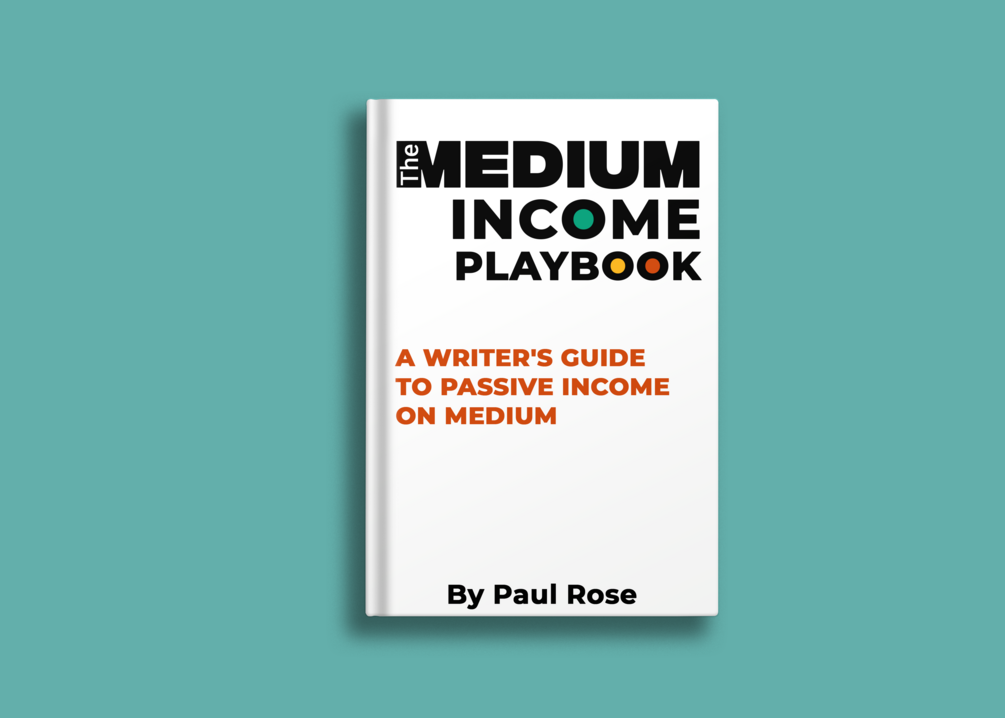
Inside the playbook, you get
- the exact writing principles I use to write stories that readers enjoy reading
- A complete guide to writing headlines that get clicks.
- A breakdown of how I find topics to write about
The playbook is practical and If you are serious about making money on Medium, this is your playbook.
You can grab it for yourself here.
Conclusion
Twenty-two thousand dollars sounds like a lot. And it is. I am not going to pretend otherwise.
But the number is not the point of this post. The point is that someone with no platform, no credentials, no experience, and no clear plan figured it out through consistent effort and a willingness to learn.
A free account, a free text editor, and a built-in audience of over 100 million readers. That is an extraordinary opportunity that did not exist twenty years ago.
The affiliate marketing was not complicated. It was recommending things I genuinely used, in articles that genuinely helped people, with clear disclosure and real value.
The digital product was not some genius invention. It was answering, in a structured and comprehensive way, the questions my readers kept asking me.
The email list was not a sophisticated marketing funnel. It was a simple form, a simple free resource, and the consistent habit of inviting my readers to sign up.
None of this required special talent. It required showing up, learning, iterating, and refusing to quit during the months when almost nobody was reading.
That is available to you right now.
The account is free. The first article takes maybe two hours. The first month will probably earn you a few dollars from Medium and that is fine, because you are not just earning money in month one. You are building something.