This is the story of how I hit $10,000 in revenue selling digital products. I’ll walk you through the exact steps, the mindset shifts, the tools I used, and yes, a few honest mistakes along the way. By the end of this post, you’ll have a clear, simple roadmap you can actually follow.
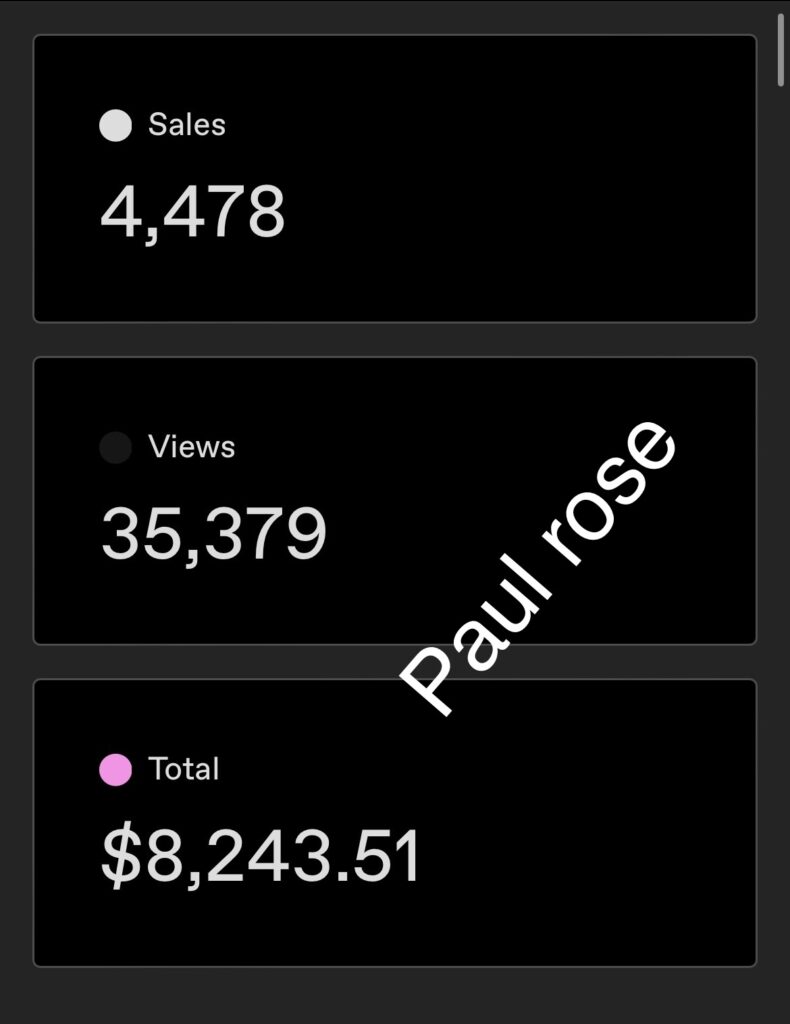

There’s a specific kind of joy that comes from seeing a payment hit your account. It doesn’t matter if you’re in New York, Lagos, or London, that little ping of “money received” is nice in the best possible way.
But here’s what nobody tells you: that feeling is actually a tool.
Understanding why people want to feel financially secure — and what makes them decide to spend money on something is the first step to selling anything online.
People don’t just buy products. They buy solutions to problems, or shortcuts to goals they already have
Phase 1 Finding a Product Idea (Using AI as Your Research Partner)
Here’s a mistake most beginners make: they come up with a product idea based on what they think is useful, then wonder why nobody buys it.
The smarter approach? Find out what people are already asking for, then write the answer.I used ChatGPT’s deep research feature to dig into online communities (subreddits, forums, comment sections) in niches like personal finance and productivity. I wasn’t looking for trending topics.
I was looking for pain points, questions people kept asking that nobody was fully answering.
Once I found my niche (a beginner’s guide to saving money), here’s how I used AI to build the product step by step:
- Find the idea: Search forums and communities. What are people struggling with? What questions keep coming up? That’s your product.
- Build the outline: Ask AI to structure a chapter list that takes a total beginner to a confident expert. Think of it like a staircase — one step at a time.
- Write chapter by chapter: This is important: never ask AI to write an entire book in one go. The quality tanks. Go chapter by chapter, review as you go, and add your own voice and examples.
- Design the cover: You don’t need to be a designer. Prompt Ai to act as one — give it your title, audience, and color preferences. You’ll be surprised how professional the results look.
Beginner Tip: Your first digital product doesn’t need to be 200 pages. A well-researched, 20-page guide that solves one specific problem can easily sell for $9–$20. Start small. Ship fast. Improve later.
Phase 2 Getting Free Traffic with the “Clap Check” Strategy
Here’s the awkward truth about most digital products: they fail not because they’re bad, but because nobody ever sees them.
Most people’s instinct is to run ads. But ads cost money you might not have yet and they require skills most beginners don’t have.
For the most part, I used Medium.com.
Medium is a writing platform with a built-in audience of millions of curious, engaged readers.
And the best part? It’s completely free to post. Its algorithm actively promotes well-written, valuable articles, meaning if your content is good, the platform does a lot of the heavy lifting for you.
But before you start writing anything, use what I call the “Clap Check” strategy to make sure your niche is worth your time:
- Search your niche on Medium. Type in your topic (e.g., “saving money” or “freelancing tips”).
- Look for articles with 200+ claps. Claps = engagement. High claps mean people care about this topic.
- Find at least 20 articles. If you can find 20 or more articles in your niche with strong engagement, you’ve found a “good niche.” There’s an audience there — and they’re active.
Once you confirm your niche has demand, I starting posting at least three times a week. Not to game the algorithm but because writing consistently helps you get better fast, and it builds the kind of trust that converts readers into buyers.
1K+followers in over my first month, 22Kfollowers in 4 months.
Currently at 45k followers.

3×posts per week minimum.
The goal was simple: build what marketers call the KLT factor — Know, Like, and Trust. When people read your articles regularly, they start to feel like they know you. And people buy from people they trust.
Phase 3 Turning Readers into Buyers
Traffic without conversion is just… a very popular hobby.
You need people to not just read your work, but to buy what you’re offering.Here’s what worked for me:Write stories, not sales pitches.
The best-converting articles I wrote weren’t product listings. They were real stories about problems I’d solved, mistakes I’d made, and lessons I’d learned. Readers connected with them and then naturally wanted to know more.
You don’t need clickbait headlines. You need content that makes readers feel like you understand their exact problem so well. When someone reads your article and thinks “this person gets it” that’s when they reach for their wallet.
Want the Full System? Meet the Medium Income Playbook
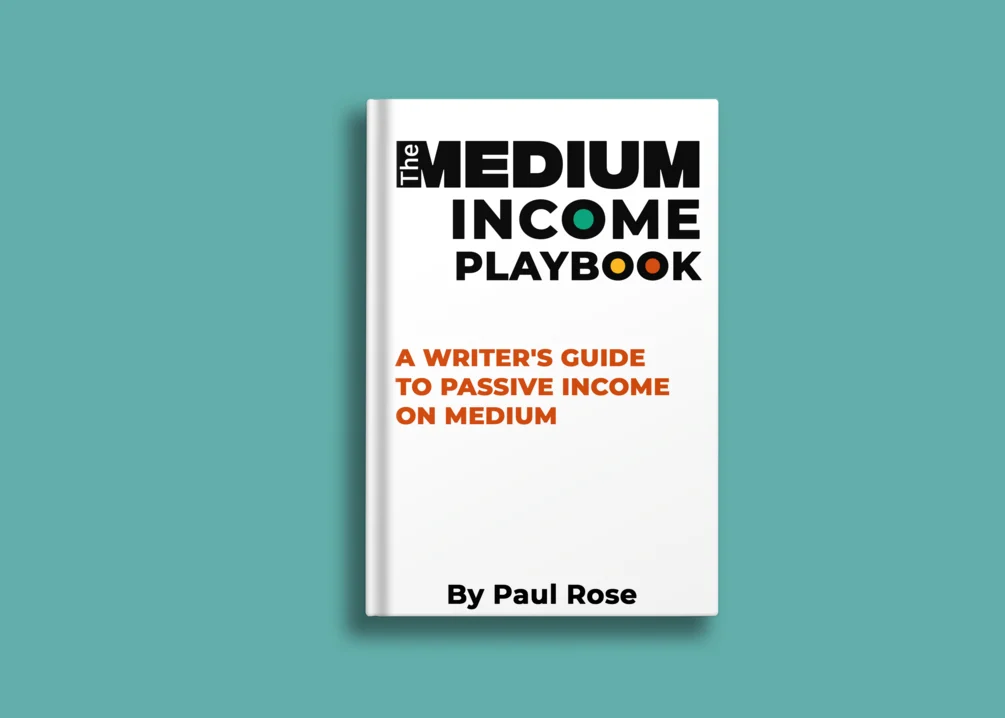
Everything in this article is a taste of what’s inside the Medium Income Playbook, the step-by-step guide I built from scratch, designed for people who want to make real income from writing and digital products, without needing a big following or prior experience.
It’s a practical, no-fluff system that covers:
- How to find profitable article ideas in your niche (even if you’re a beginner)
- The exact Medium publishing strategy that grew my account to 22,000 followers in 4 months
- How to structure your posts to go viral on medium
this playbook is simple, practical and built for beginners.
Phase 4 Setting Up Your Storefront (The Tech stack)
I’ll keep this section short because people often overthink it.
You do not need a fancy website, a developer, or a marketing team.
You just need a place to sell.I used Gumroad and I recommend it for beginners.
It’s free to start, easy to set up, and you can connect your bank account to receive payments. Other solid alternatives include Payhip, Teachable, and Sellfy depending on what you’re selling.
Write Like a Human, Not a Textbook
One of the biggest reason most content fails? It sounds like it was written for a graded assignment, not for a real person.
People don’t want formal language and big vocabulary.
They want to feel like they’re getting advice from a smart friend who genuinely wants them to succeed.
Write the way you talk. Use short sentences. Tell real stories. Admit your mistakes.When your content feels like a conversation, not a lecture, readers stick around.
And readers who stick around become buyers.
This is the knowledge gap strategy: meet your reader exactly where they are, not where you want them to be.
A 19-year-old starting out has different questions than a 35-year-old switching careers. Speak to your specific audience, and your content will feel like it was made just for them.”
Stop trying to sound smart. Start trying to be useful. The credit alerts follow the useful people.”
Conclusion
Let me wrap this up simply.
Hitting $10,000 in digital product revenue wasn’t magic. It was the result of three things working together:
1. A product people actually needed — found through research, not guesswork.
2. Consistent, valuable content — published on Medium three times a week, built on the KLT principle.
3. A simple system for converting readers to buyers — using story, trust, and honest urgency.
- You don’t need to be a “writing genius.”
- You don’t need to have been doing this for years.
- You need a problem worth solving, the willingness to show up consistently, and the patience to let trust build.
Start today. Even a rough first draft of a product is better than a perfect idea sitting in your notes app.The notifications will come. But only after you start.